Overview
Repurposing and decommissioning the Joint European Torus (JET) will provide invaluable insight into making future fusion energy machines more sustainable and cost-effective.
JET’s history began more than 50 years ago, with an extensive design and planning process paving the way for four decades of groundbreaking and world-changing research.
Repurposing and decommissioning (JDR) represents the next stage of JET’s influence on the global fusion energy sector. The projects which will be undertaken in the years to come will provide a foundation for whole life cycle planning and engineering of fusion machines, power plants and research facilities.
JDR brings together engineering, technology, science and project management to deliver the programme in an ethical, innovative manner, demonstrating maximum value for money.
In April 2026 JDR moved into a new four-year period of delivery, focusing on:
- clearing buildings across the JET estate to release land for Culham Campus development projects, and freeing funds for future fusion investment
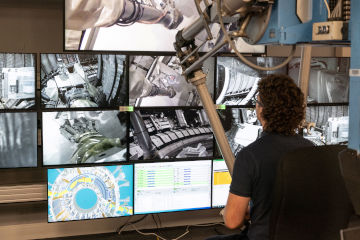
- removing around 3,000 tiles and components from the tokamak through JET’s upgraded MASCOT remote handling system
- advancing planning for future tranches, such as how to address challenges posed by JET’s Intermediate Level Waste
To find out more, contact us.
Progress
Sample retrieval
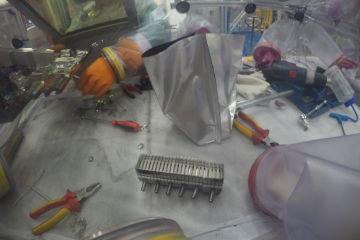
Retrieving 66 samples from the tokamak for further analysis.
Characterisation
Analysis of JET samples to inform future waste planning.
Building clearance
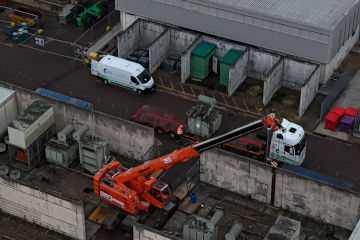
Clearing JET’s most complex support building for repurposing by the LIBRTI programme.
Repurposing
Repurposing essential assets for EUROfusion, repurposing opportunities, knowledge capture.
Post-operational clean-out
Reducing hazards to increase efficiencies and cost-savings within the JET decommissioning programme.
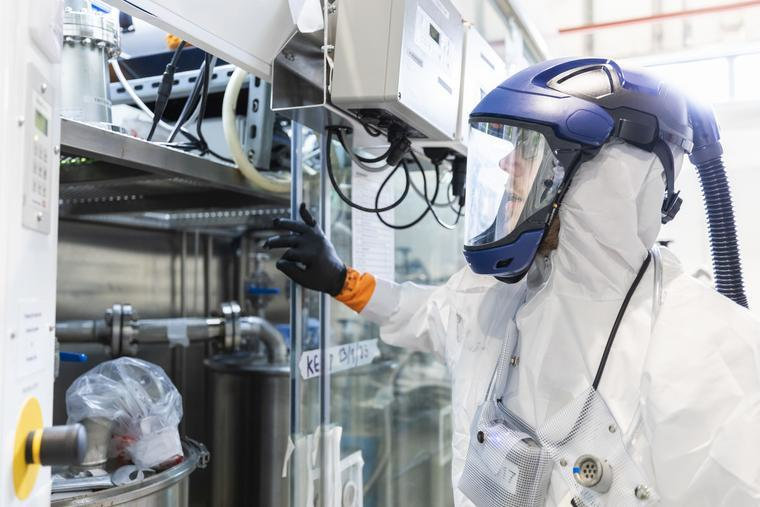
Post-operational clean-out is an important foundation for JET’s decommissioning. By acting now to remove hazards of all kinds from the JET estate, UKAEA is making the long-term programme both safer and cost-efficient.
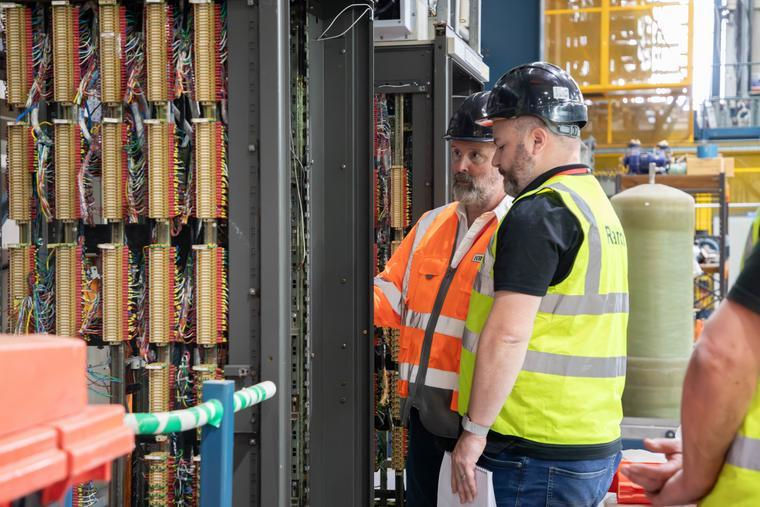
Forty years of world-leading fusion energy research has left JET with hundreds of kilometres of cables. All of these need to be removed before JET can be decommissioned. But where do you start?
Upgrading technology, saving costs and carbon footprint, and a practical approach to decommissioning which takes into account Culham Campus’s neighbours.