
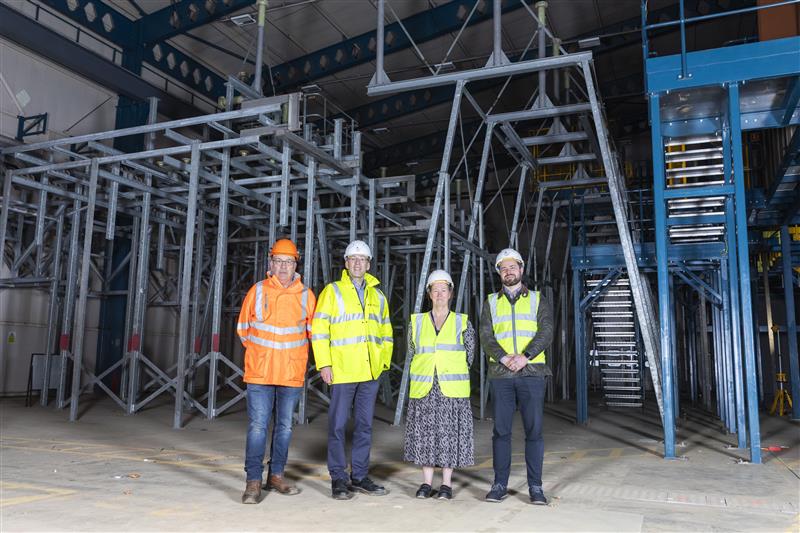
An intense 2 years of planning, hard work and delivery have successfully brought the completion of JET Decommissioning and Repurposing’s (JDR) first major building clearance project. In doing so, JDR has also enabled UKAEA to proceed with developing the host building for LIBRTI, one of global fusion’s most significant research and development programmes.
A key initial project for JET Decommissioning and Repurposing
The building the work took place in was integral to JET’s 40 years of operations. It channelled 80,000 amps of power to the tokamak’s magnetic fields which kept the plasma as stable as possible.
The team has delivered one of the JET estate’s most complicated buildings to LIBRTI’s timescale. The project has also been an essential opportunity to develop, test and refine planning and delivery processes for subsequent building clearance projects.
Zac Scott, JDR Director:
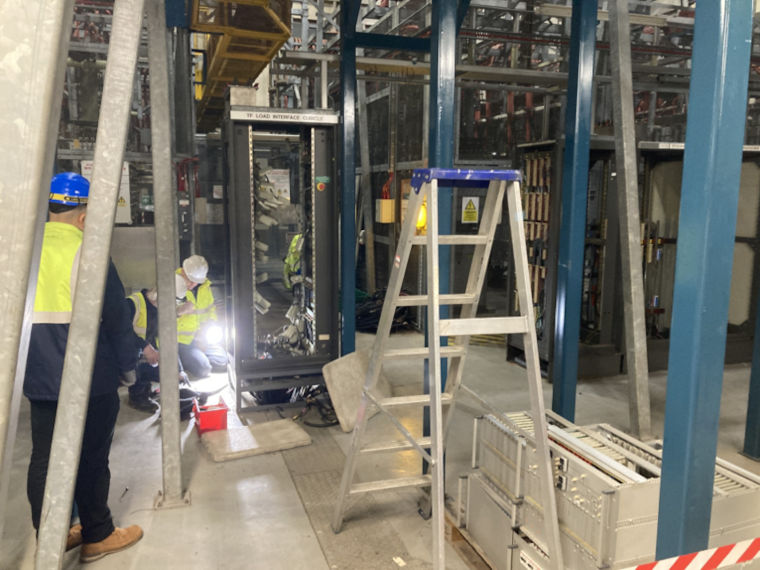
The scale of the project is more like surgical removal of components than a conventional de-plant and demolition task. It is testament to the professionalism, expertise and hard work of the whole team that the project has been delivered successfully within tight financial and time constraints.
Decommissioning programmes can take several years to develop plans. For JDR to stand up a key project, develop processes, adapt to circumstances, and deliver the work inside two years is something the team can rightly be proud of.
Amanda Quadling, Executive Director for Materials, Blankets and Research:
LIBRTI was looking for a way to demonstrate that fusion is sustainable in every sense of the word energy, but also in the logistics and the operations that it uses.
The timelines for JDR were quite tight and very strategically important, because LIBRTI is a programme that has a lot of visibility at Government level and in fusion for Britain.
It’s a proper repurposing of JET for locking in old carbon and making the campus more sustainable.
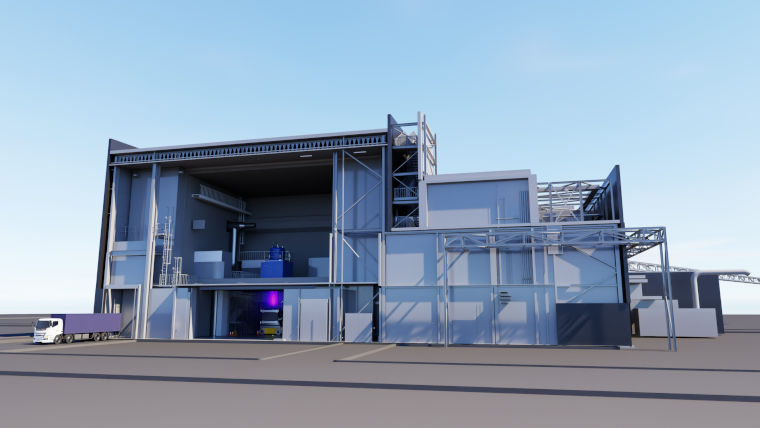
The building will now undergo a comprehensive refurbishment to make it fit-for-purpose for LIBRTI. This includes recladding, a roof lift and floor reinforcement, before the experimental equipment and supporting systems are installed.