Overview
The tokamak uses powerful external magnetic fields to confine and control the hot plasma of fusion energy fuels in a ring-shaped container called a ‘torus’.
The Soviet Union first developed the tokamak in the 1960s. Researchers around the world soon adopted it due to its enhanced performance compared with other approaches.
The Mast Upgrade tokamak
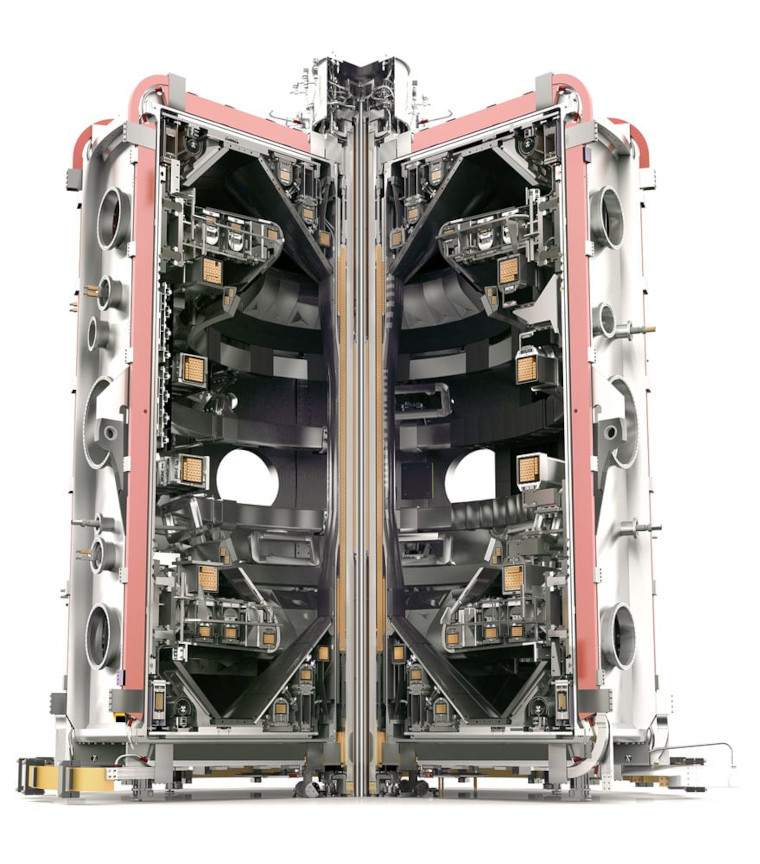
MAST Upgrade is a compact and efficient type of device known as a ‘spherical tokamak’. It is the UK’s flagship fusion machine and creates plasmas reaching 30 million degrees Celsius.
How a tokamak works
A tokamak is a very complex device – but there are some key components that are crucial for its operation.
Vacuum vessel
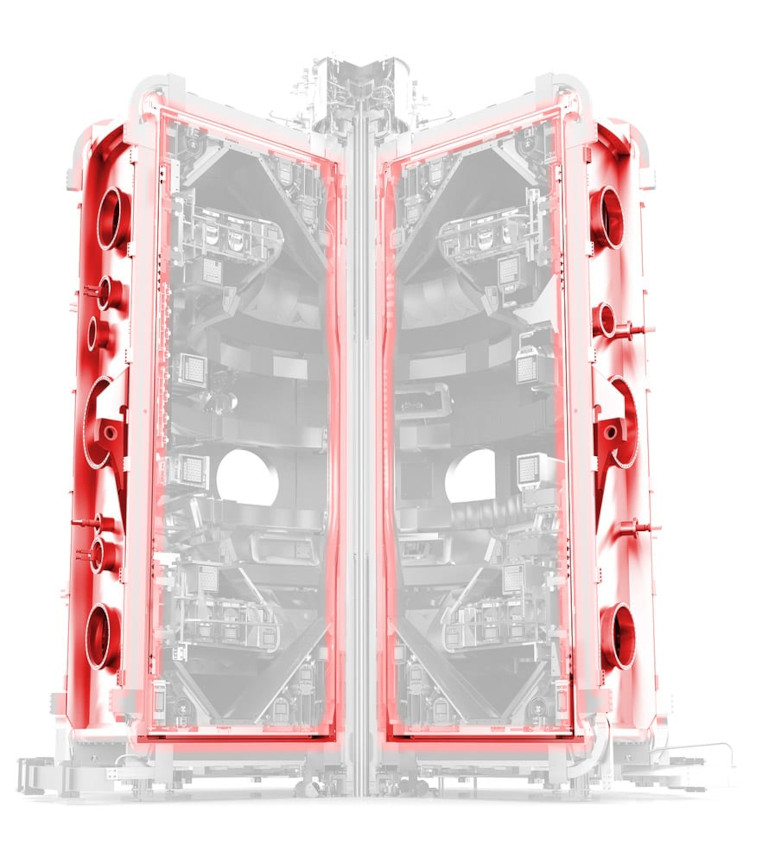
The vacuum vessel is ring-shaped. It contains the plasma under vacuum. This is important to minimise plasma contamination from the gases in air.
Magnetic fields
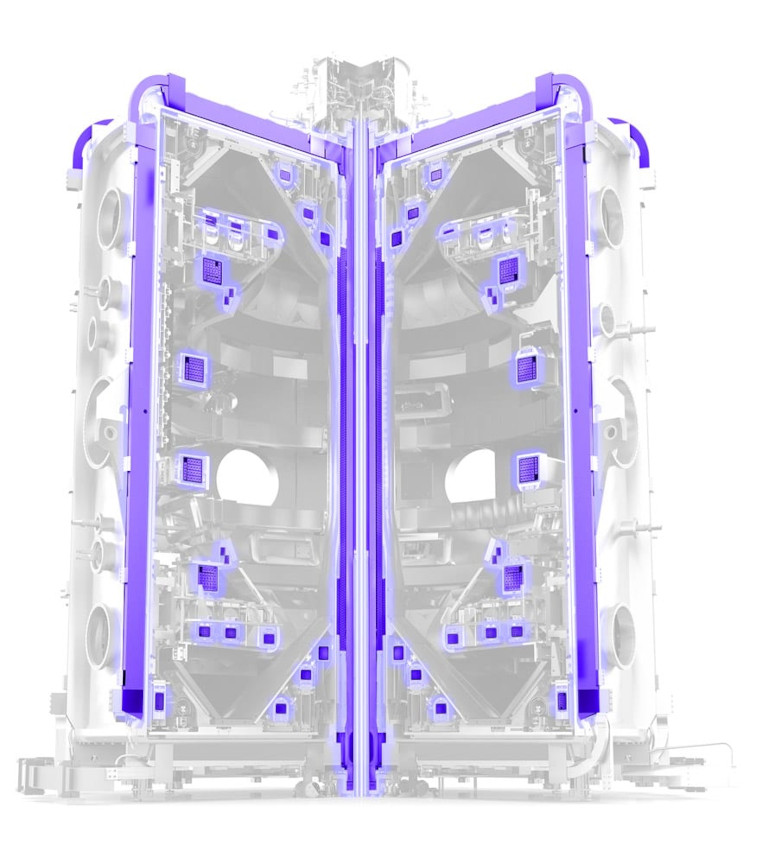
Magnetic fields contain the hot plasma and keep it away from the machine walls. There are 2 sets of magnetic coils – toroidal and poloidal. They create a complex 3D field which acts as a magnetic cage to hold and shape the plasma.
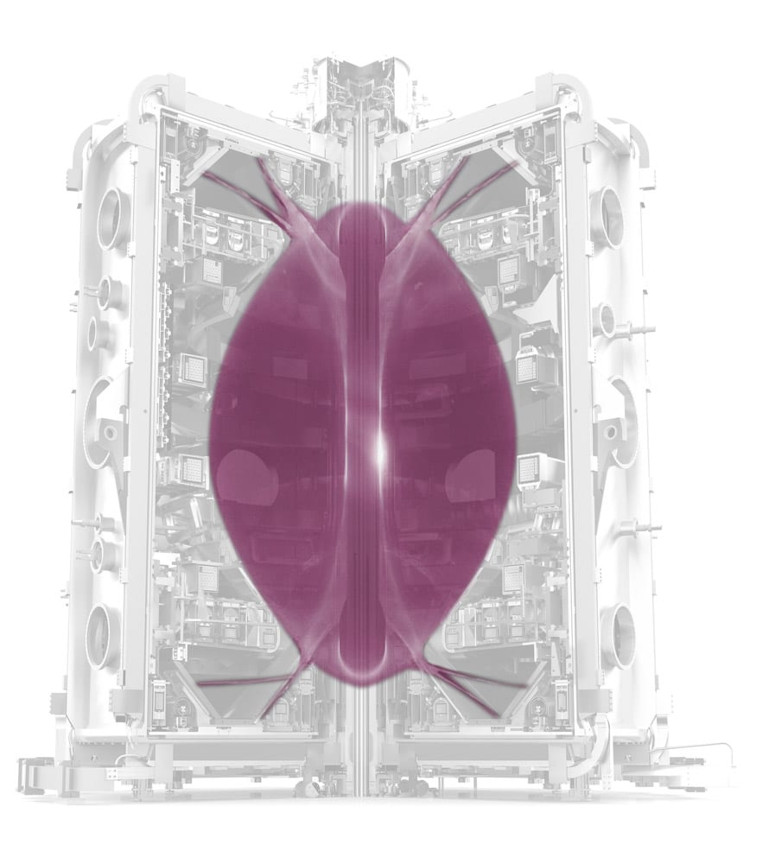
Plasma
Puffing a small amount of the fusion gases (deuterium and tritium) into the vessel creates the plasma. A high voltage breaks down the neutral gas to form an electrically charged plasma. The magnetic field can control this.
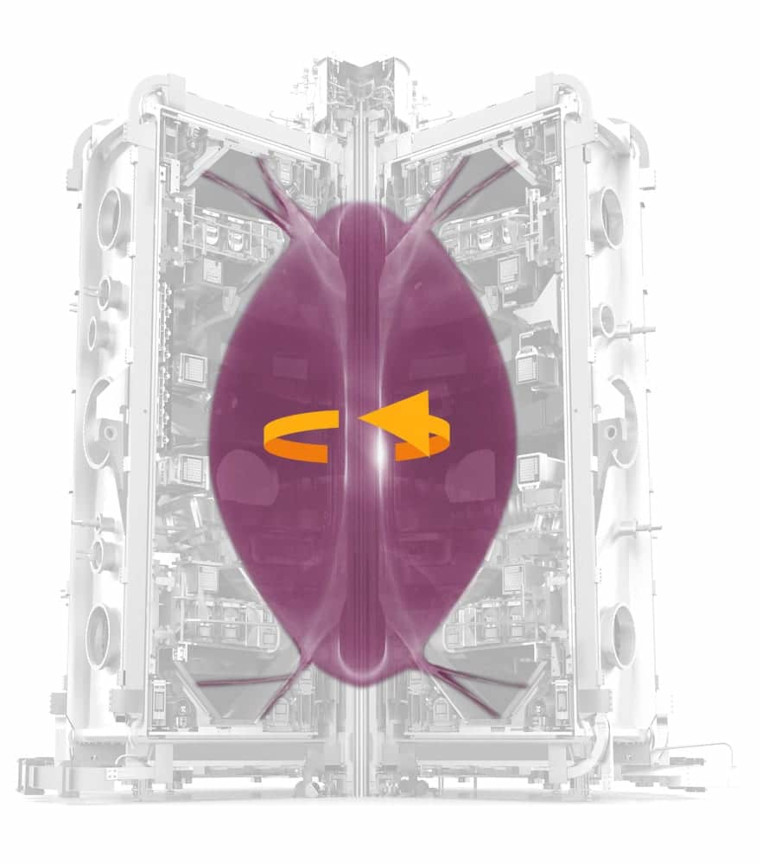
Plasma current
A central magnetic coil induces a large current in the plasma. This current starts heating the plasma up towards fusion temperatures.
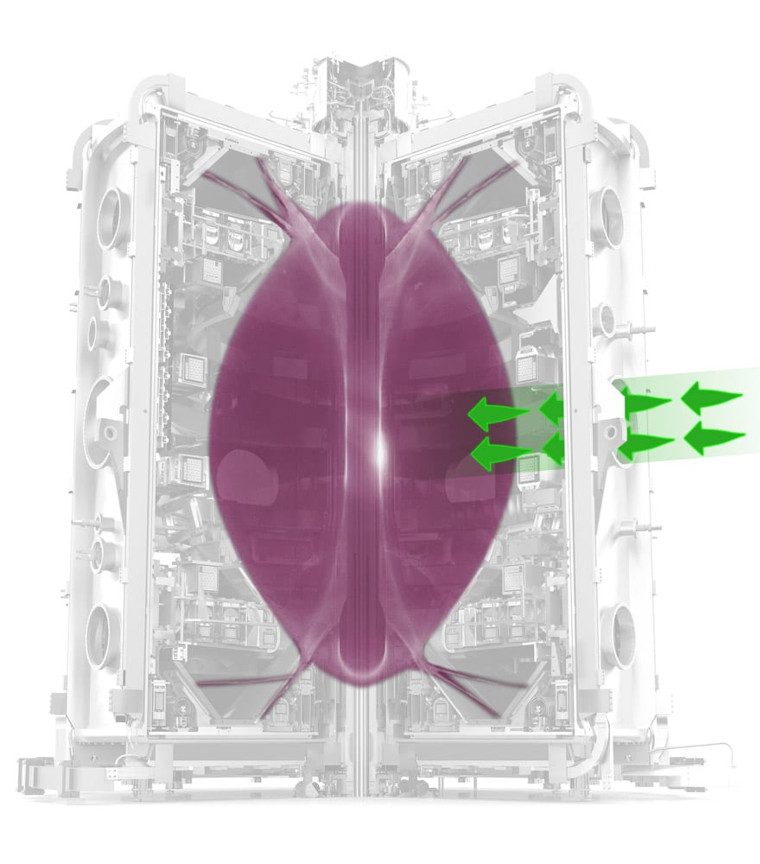
Plasma heating
Neutral beam injection is where neutral hydrogen atoms are injected at high speed into the plasma. This provides additional plasma heating along with microwave systems which heat plasma ions like a microwave oven.
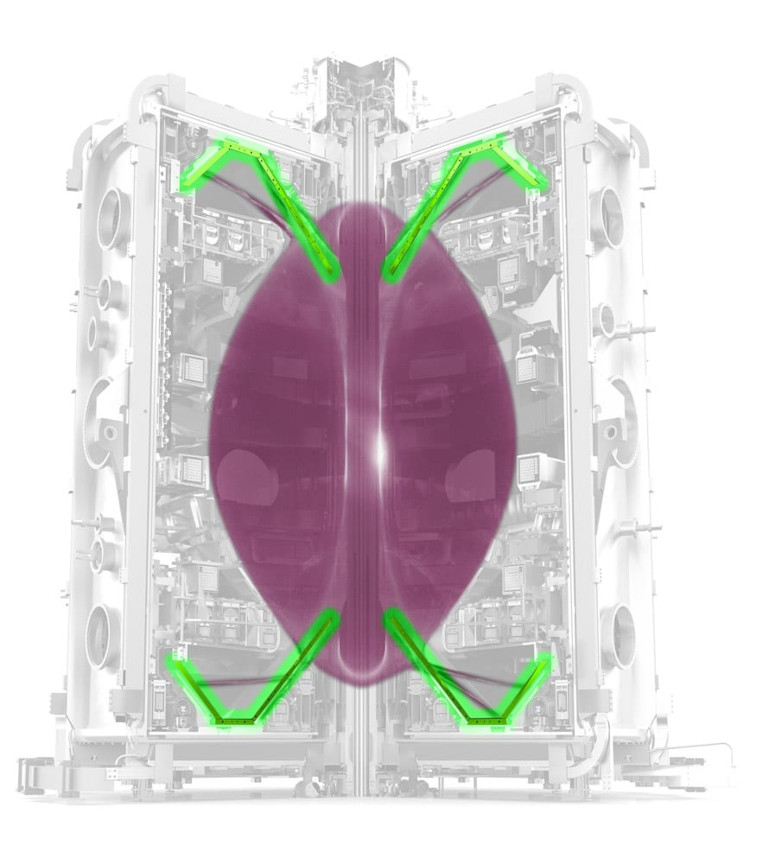
Plasma exhaust
Excess heat from the hot fusion plasma is exhausted using a magnetic divertor. Streams of plasma divert into special heat resistant plates at the top and bottom of the tokamak.
Fusion energy
We are turning the process that powers the Sun into a low carbon, safe and sustainable part of the world’s future energy supply.