UKAEA’s mission is to lead the delivery of sustainable fusion energy to maximise scientific and UK economic benefit. The UK government’s fusion strategy directs research and development to yield near-term scientific and economic benefits and support the growth of a competitive domestic industry, backed by skills development at all levels, to lay the foundations for deployable fusion energy.
The economic opportunities associated with fusion energy are increasingly clear. The UK is well-positioned to capture a share of an estimated potential £3 trillion to £12 trillion total global capital investment in fusion in the period from 2050 to 2100 [Footnote 1]. Technologies from fusion research and development benefit industry in areas including robotics, materials, medicine, and artificial intelligence.
Benefits by 2030
Our strategy is to deliver these benefits for 2030:
- increased technology maturity of prototype power plant
- advanced science and UK knowledge leadership
- reduced technological risk
- growth of Fusion sector
- creation and exploitation of IP in industry
- technical expertise transferred into adjacent sectors
- growth of UK-based industrial capability
- inward investment
- high quality jobs
- increased productivity through greater economic clustering
- regional growth
- higher skilled workforce
- greater know-how and knowledge
How we are performing
UK jobs in fusion
Between 2020 and 2025 UKAEA activity supported an average of 6,000 jobs per year in the UK economy. Of these, 60% were in the UK supply chain.
From 2025 to 2026, UKAEA expenditure supported around 8,100 jobs. Of these, 2,650 roles were within UKAEA and 2,850 were supported through direct spend. 2,600 jobs were supported through indirect effects linked to staff and external expenditure. This is around 1,000 more jobs compared to the previous year.
UK skills growth
By 2026 UKAEA’s FOSTER programme had supported 51 PhDs and secured partnerships with 4 leading UK universities to expand Masters level training for fusion in the UK. It has engaged nearly 40,000 school students through outreach activities, and supported 22 QuESTFused apprentices. UKAEA has launched the CROSS programme in Cumbria.
UK scientific and research achievements
Between 2022 and 2025, UKAEA increased its scholarly output by 11% on the previous period. Researcher attendance at conferences nearly doubled. 51 PhD students started from 2024 to 2025 from 19 universities.
UK value generation
Via intellectual property and know-how, UKAEA’s research and innovation is generating value in the UK economy. We have submitted 166 invention disclosures and filed 27 patents since 2019. This includes 14 from the Spherical Tokamak for Energy Production (STEP) programme. They cover a wide range of technologies, from remountable superconducting magnets and advanced tritium handling systems to novel robotic platforms and repair methods for next-generation materials. Between 2021 and 2024, we doubled the number of economic sectors where we identified potential applications for our fusion technologies.
Commercial and inward investment into UK fusion
UKAEA is increasing commercial and foreign investment into programmes and activities. We received £9.5 million of direct commercial investment between 2024 to 2025 and agreed a commercial partnership with Italian multinational energy firm Eni to build the H3AT facility.
UK fusion energy research and development
UKAEA uses different approaches to evaluate benefits. UKAEA and DESNZ quantitative analysis suggests the gross value-added (GVA) impact of UKAEA fusion energy research and development activities since 2009 is £4.3 billion. This comprises £2 billion from staff expenditure and £2.3 billion from supply chain spending. This compares to £2.6 billion in UK government funding over the same period.
The distribution of this impact is across the UK. Since 2019, GVA linked to external expenditure concentrated in the North West (26%), South East (19%) and South West (14%). The East Midlands is increasingly significant. Its share of external expenditure-driven GVA rising from 6% to 16% from 2024 to 2026. This is largely due to increased spending in the West Burton area on STEP. [Footnote 2]
Case studies
We publish case studies of our work. Here are the latest:
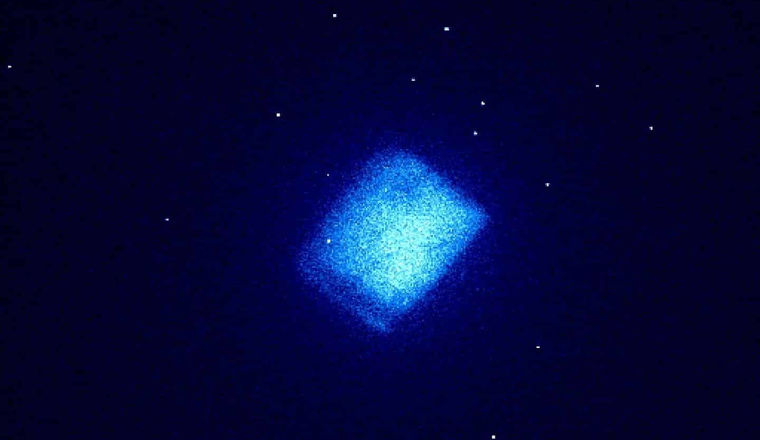
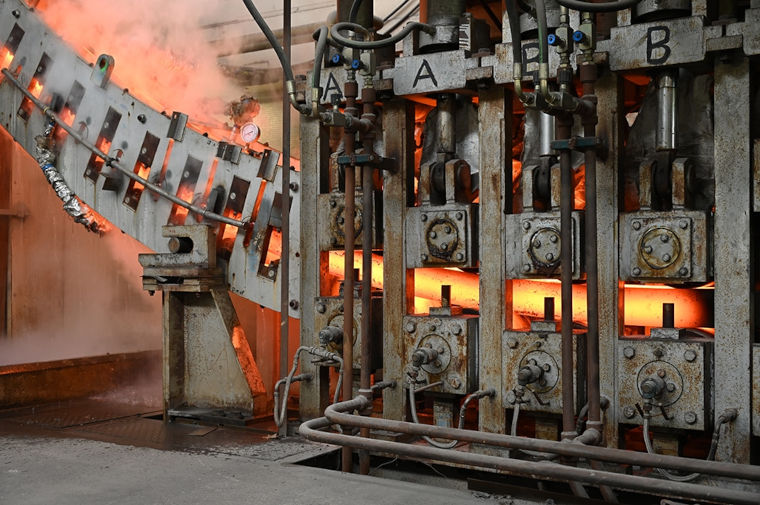
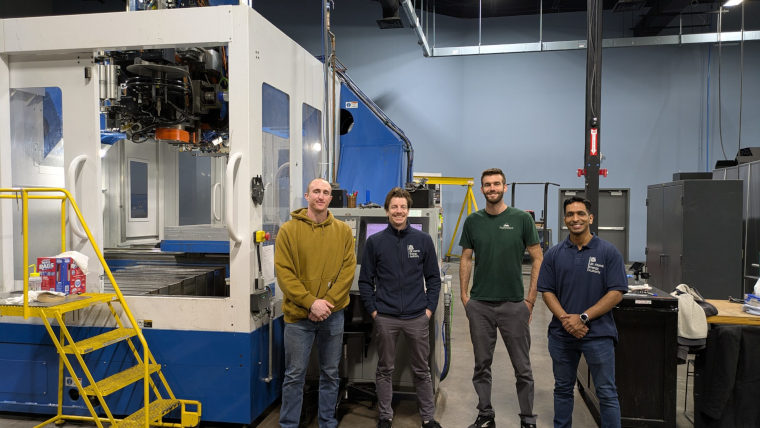
Our mission is to lead the delivery of sustainable fusion energy to maximise scientific and UK economic benefit
Footnote 1: Internal Department for Energy Security and Net Zero-UKAEA-UKFE analysis of total capital investment (2023 prices) in Fusion Power Plants between 2050 and 2100 based on currently unpublished UCL Energy Institute global TIMES modelling. Total estimated fusion energy installed capacity multiplied by capital cost estimates. These estimates could be conservative. They only capture capital costs and do not account for higher estimates of energy gain in fusion plants and co-production opportunities such as heating and desalination. Given the nascency of the technology, assumptions are highly uncertain.
Footnote 2: GVA and UK government funding are in 2025 to 2026 prices. Estimated impacts are direct and indirect effects only, as the ONS no longer publishes Type II (induced) multipliers. London Economics developed and quality assured the original methodology for their 2020 report: The impact of the UK’s public investments in UKAEA fusion research. DESNZ and UKAEA analysts have quality assured the updated model, including any methodological changes, in line with Aqua Book principles. Regional GVA analysis is based on external expenditure spend from 2019/20 onwards, reflecting the availability of sufficiently detailed supplier data to support geographic attribution.