April 2026 marked the start of a new four-year delivery period for Joint European Torus (JET) Decommissioning and Repurposing (JDR), bringing refreshed priorities for the programme team.
JDR achieved a great deal in its first two years.
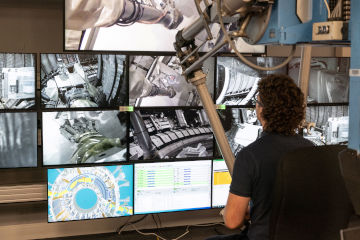
- We removed 66 sample tiles and components from JET using the MASCOT remote handling system. We began the process of analysis and characterisation. This will inform how we manage our Intermediate Waste Challenge in years to come.
- We transitioned JET from plasma operations into a shutdown state. Systems which could be turned off were quickly identified. This began the process of saving costs and making funds available for alternative uses.
- From a standing start, we developed JDR’s capability and processes to enable efficient decommissioning with strong governance to meet legislative and regulatory obligations.
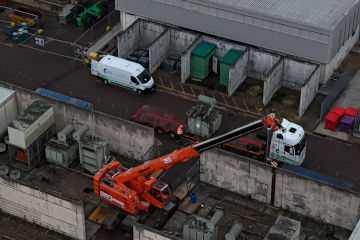
- We planned and carried out decommissioning of JET’s most complex supporting facility which connected JET to the national grid. The project completed on time. The site will be repurposed as the new home of the LIBRTI experimental tritium breeding programme.
- We removed, packaged, and prepared 11 diagnostics from JET for repurposing at other fusion programmes in the UK and Europe.
As important as major project completion is strategic clarity. We have a programme team with clear objectives. They understand what is achievable in the short and medium term.
I joined JDR in early 2024. The programme approach was based around technical innovation. It used novel robotics and cutting-edge science such as thermal detritiation. For an organisation like UKAEA, with a long history of forward thinking, this interpretation of innovation is routine.
Innovation can take many forms. The tranche approach to funding develops business cases by phase. It presents options for next steps (known as ‘eating the elephant one bite at a time’). This is as innovative in the decommissioning sector as in high-end technology.
We have cut our cloth to the funding profile from the Department for Energy Security and Net Zero (DESNZ). Some projects have been deferred. Disappointment in those project teams is understandable. It is to their credit that colleagues have understood the reasoning behind those decisions and have felt able to express their opinions to leadership.
What we are doing is important for the JDR programme, UKAEA and Culham Campus more widely.
- Clearing the JET auxiliary estate will remove equipment and assets from sites. These would become hazardous and harder to manage without regular use and operational maintenance.
- Clearing out old facilities will make way for fusion-related initiatives. This includes UKAEA’s new joint venture with TAE Technologies.
- Demolition will make space for new facilities within the Culham Campus development masterplan.
- Reducing building maintenance costs and utilities bills will increase the funding available for fusion.
Investment into development of MASCOT and the remote handling system will enable the removal of approximately 3,000 tiles and components from the tokamak. This will allow analysis which will inform waste management and disposal routes, determining business case propositions for future tranches.
Breaking down the challenges into more manageable and targeted projects and work packages has demonstrated greater control over our budget. This increases credibility with decision-makers and keeps future options open. This includes how we will manage the challenges of intermediate level waste removed from JET in the next 4 years.
What we do over the next 4 years unlocks what comes after. This may be financial because we have reduced our liability. It could be intellectual because we have the knowledge and understanding to complete the decommissioning more efficiently and effectively.